
Native Plants of the Pacific Northwest and Their Benefits
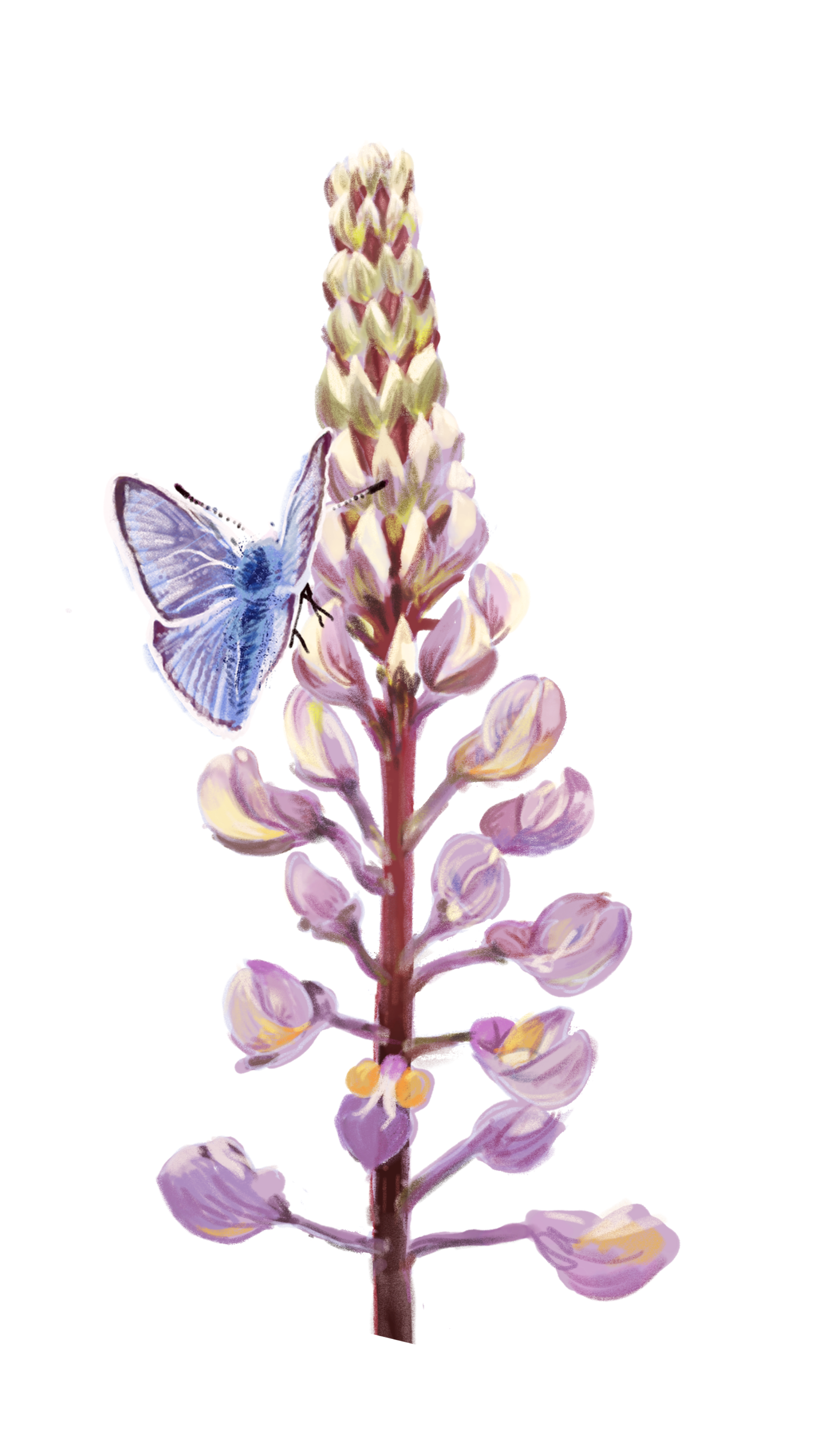
Within the Willamette Valley ecoregion, OregonFlora documents 1,803 unique species-level vascular plants; of these, ~1,000 are natives. These occupy diverse habitats, including prairies, oak savannas, and oak woodlands that embrace many of Oregon’s beautiful vineyards. Learning the plant diversity in adjacent wildlands and observing the microhabitats they occupy can provide templates for plant communities to expand or newly introduce into planted areas. While both native and exotic plant species can host pollinators, natives better support the insects they coevolved with, strengthening the web of biodiversity we depend upon for our livelihoods and our wellbeing.
Native plants confer a number of benefits to vineyards, including the attraction and retention of beneficial insects like predators and parasitoids that provide biological control of insect and mite pests. Native perennial plants are adapted to local environments, aid local biodiversity, and do not require annual establishment. More than 50 native plants with optimal attraction to natural enemies of grape pests in eastern Washington have been identified. In addition to providing direct benefits to viticulture, vineyard native plant restoration also has the potential to conserve threatened flora and fauna including endangered native bee and butterfly pollinators. The beauty of native plants provides benefits to grape growers in the form of no- cost, non-toxic pest management as well as providing more beauty in the form of butterflies and bees: true beauty with benefits.
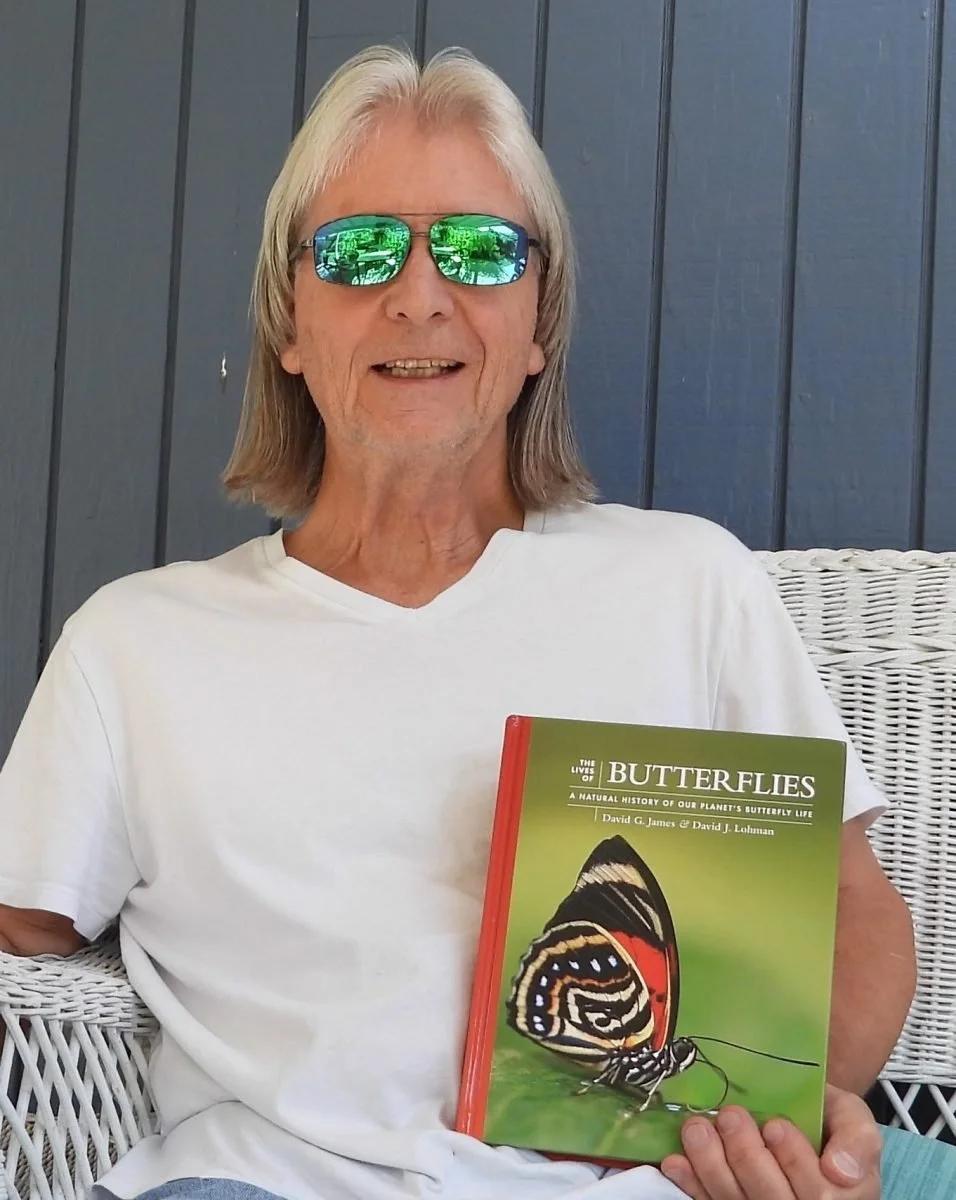
David James | Associate Professor, Department of Entomology, Irrigated Agriculture Research and Extension Center, Washington State University, Prosser, WA
David developed a passion for entomology at the age of 8 in England by rearing caterpillars in his bedroom. He obtained his Bachelors degree in Zoology at the University of Salford in the UK, then migrated to Australia for a PhD and to work for the New South Wales Department of Agriculture in Sydney researching agricultural pests and their management using non-chemical methods like biological control, pheromones and native habitat restoration. A 50-year career as a biocontrol, IPM and conservation biology scientist in Australia and since 1999 with Washington State University, followed. David has published almost 300 peer-reviewed scientific papers, extension articles and has authored a number of books on butterflies and moths, including one that David Attenborough considered magisterial.
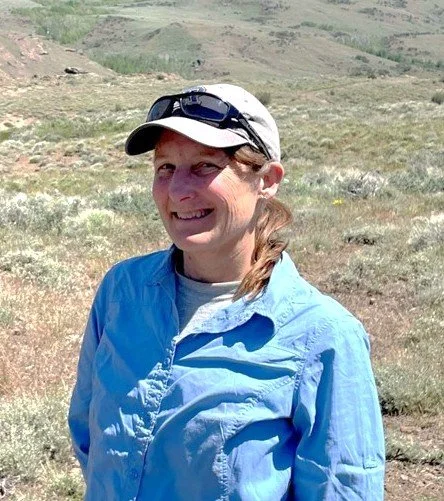
Linda Hardison | Assistant Professor (Research) at Oregon State University, Director of OregonFlora
Linda is the director of OregonFlora and a research assistant professor in the Dept. of Botany & Plant Pathology at Oregon State University. She received undergraduate degrees in botany and marine biology at the University of Texas at Austin, and a Ph.D. in botany at University of Washington. Linda guides the OregonFlora program in its production of a state flora in the form of books and an interactive website. She creates partnerships with diverse stakeholders to fulfill the strategic initiatives of OregonFlora that address biodiversity, working agricultural lands, and the integration of native species into planted landscapes.